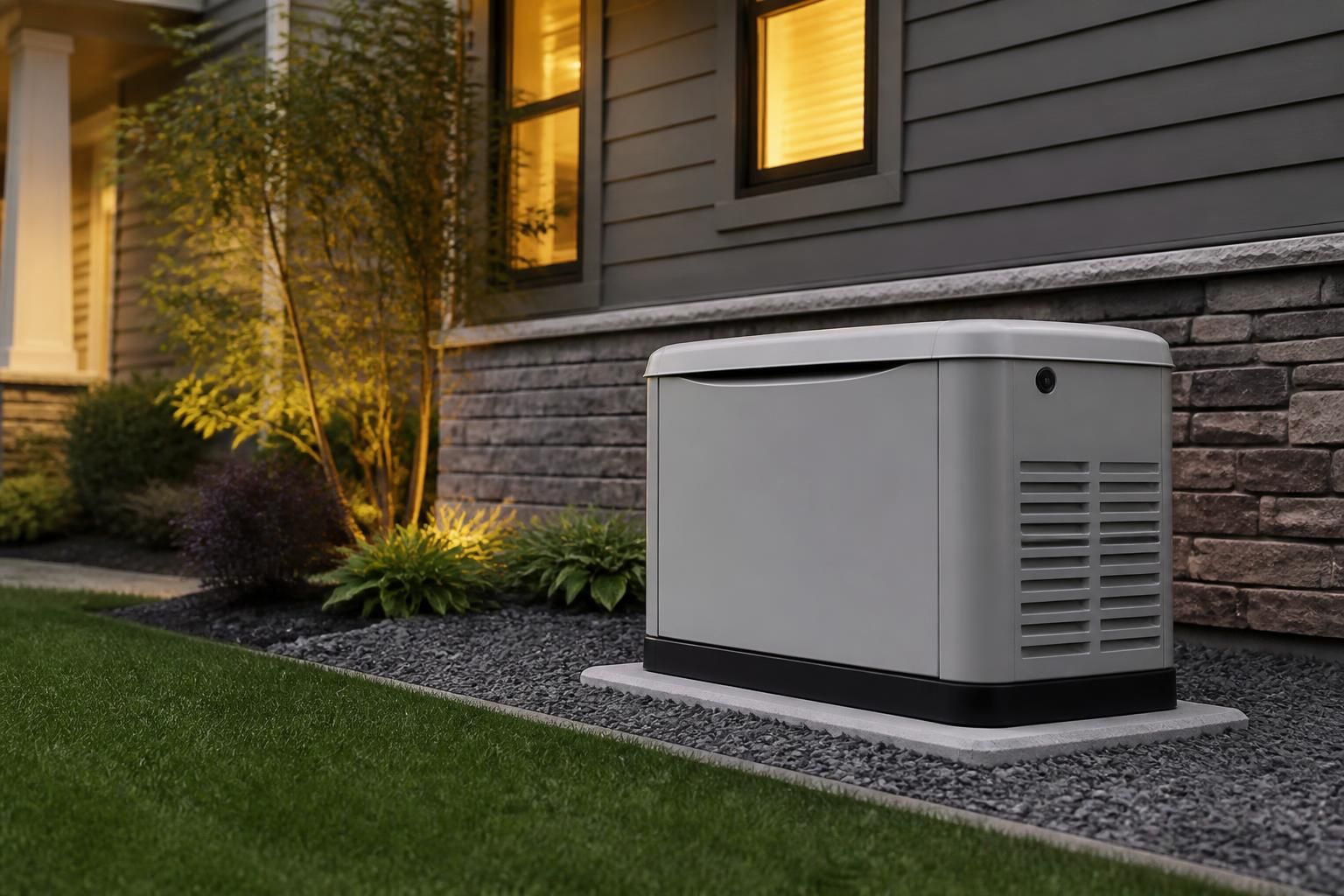
When the power goes out, a home can feel stalled fast. Lights go dark, refrigerators warm up, and key systems stop responding, which leaves you wondering whether a backup generator will actually carry the load you need.
If you are sorting through generator options for a Raleigh, NC home, BrightPath Electric can help you make a practical choice, place the system with care, and connect it with the rest of your electrical setup. We focus on safe, code-conscious work and clear guidance so you know what the installation will support before anything is switched on.
Backup power fit
A generator should match the way you live, not just the size of the house. Some homeowners want enough backup power for a few essential circuits, while others want broader coverage for refrigeration, lighting, heating equipment, or selected rooms.
BrightPath Electric looks at the electrical demands of your Raleigh home and helps you think through the loads that matter most. That conversation keeps the project grounded in real use instead of guesswork.
What we review
- Critical circuits: Which parts of the home you want powered when utility service drops out.
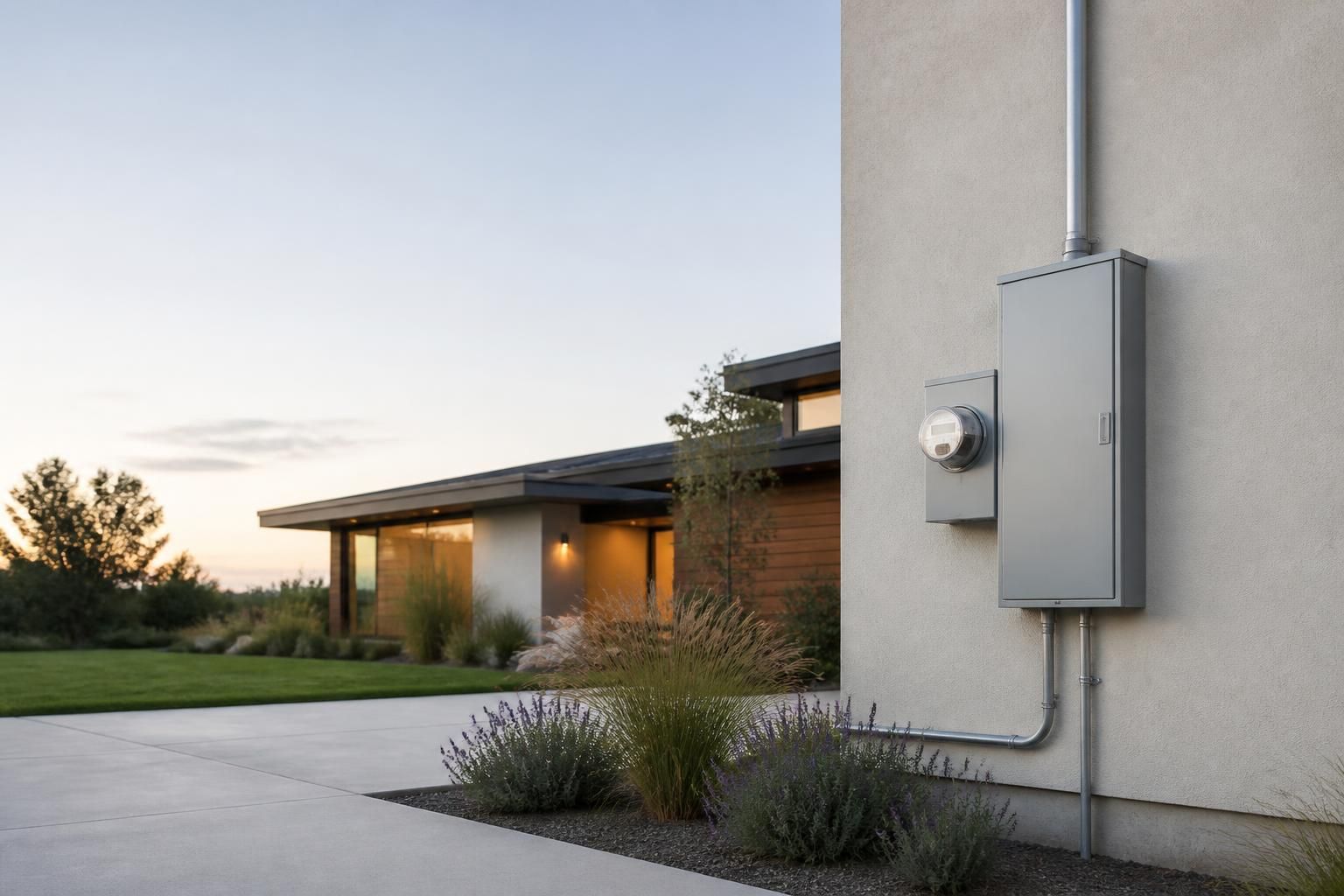
- Electrical capacity: How the generator will connect to your existing panel and transfer equipment.
- Placement needs: Where the generator can sit with practical access for service and safe operation.
- Fuel connection: The type of generator setup and how it integrates with the home’s power source.
Signs you may need one
Many homeowners start looking at generator installation after one too many interruptions. If power loss has made daily routines harder than they should be, a backup system can bring more stability to the home.
- Food storage concerns: Frequent outages make it hard to keep refrigerators and freezers dependable during interruptions.
- Work and school interruptions: Home offices, internet equipment, and charging stations may lose power at the wrong time.
- Comfort setbacks: Heating, cooling, or selected appliances may shut down when you need them most.
- Manual reset fatigue: Repeatedly resetting clocks, devices, and appliances after outages gets old quickly.
If these issues sound familiar, a generator can be a practical addition rather than a luxury upgrade.
Installation planning
Good generator installation starts before any wiring is touched. The goal is to create a setup that fits the home, supports the loads you care about, and is arranged with attention to detail.
At BrightPath Electric, we keep the process organized so the work moves forward without confusion. That means reviewing the system, discussing placement, and making sure the electrical connection is planned with care.
Our approach
1. Review the home’s electrical layout. We examine the panel, connected loads, and the general structure of the system so the generator can be matched to it.
2. Decide what gets backed up. Some homeowners choose a smaller set of circuits, while others want broader coverage. We help narrow that down.
3. Plan the connection. The generator has to integrate with the panel and transfer equipment in a way that supports safe operation.
4. Coordinate the placement. The generator needs a location that works for access, routing, and the home’s overall layout.
What the work covers
Generator installation is more than setting equipment outside and connecting a few wires. A well-planned job accounts for the whole electrical path from the generator to the circuits it supports.
For Raleigh homeowners, we commonly handle the details that make the system easier to live with after the installation is complete.
- Generator hookup: Electrical connection for the standby power system.
- Transfer equipment: Setup that lets the home move between utility power and generator power.
- Panel coordination: Work tied to the home’s electrical panel and selected backed-up loads.
- Load planning: Organization of which circuits the generator will support.
- Safety review: Inspection of the work area and connected components for clean, careful execution.
Panel and wiring
Many generator projects also call for close attention to panel condition and wiring paths. If the home’s electrical system needs adjustments to support the new setup, that work should be done with precision and clear communication.
BrightPath Electric offers electrical repairs, panel upgrades, and wiring services, which helps us address related issues that may come up during a generator project. That matters because a generator should connect to a system that is ready for it, not one that has been left half-organized.
Common electrical touchpoints
Panel space: The existing panel must be able to support the new equipment and related circuits.
Wiring condition: Existing conductors and connections should be reviewed so the generator installation ties into a sound electrical path.
Circuits to prioritize: We help sort out which loads matter most so the generator supports the right parts of the home.
Safety checks
Backup power should feel reassuring, not uncertain. That is why generator installation should include careful checking of the electrical connections and a plain explanation of how the system is meant to be used.
Before we wrap up a project, we focus on the practical details that help a homeowner feel confident about the new setup.
- Connection review: Verifying that the generator ties into the intended equipment.
- Labeling: Making the backed-up circuits easier to understand.
- Operational guidance: Showing you how the generator interacts with the home’s electrical system.
- Inspection mindset: Looking for loose ends, unclear routing, or anything that needs a second look.
BrightPath Electric approaches each installation with respect for the home and attention to the details that matter after the work is done.
Related upgrades
Some homeowners pair generator installation with other electrical improvements. That can be useful when the goal is a home that feels more prepared and easier to manage during an outage.
If your project includes additional electrical needs, we can help with services such as surge protection, electrical inspections, panel upgrades, and rewiring. The right combination depends on what the home already has and what you want the backup system to support.
Helpful add-ons
Surge protection: Helps protect sensitive equipment when power returns or shifts.
Electrical inspections: Useful when you want a closer look at the home’s general electrical condition before adding backup power.
Panel upgrades: May be needed when the current panel does not fit the new load plan.
What to expect
Homeowners often want a simple process, and that is reasonable. A generator installation should be organized, understandable, and handled without turning the house into a long-term project site.
When you contact BrightPath Electric about generator installation, we start with the information needed to understand your home and your goals. From there, we discuss the setup, outline the work, and move through the installation with clear communication.
- Initial conversation: You describe what you want the generator to cover and what concerns you have.
- System review: We look at the home’s electrical setup and the best path for the installation.
- Installation planning: We map out the connection, placement, and load priorities.
- Completion and walkthrough: We finish the work and explain the setup in straightforward terms.
Common questions
How do I know what size generator my home needs?
The answer depends on what you want to power during an outage. A smaller setup may support key circuits, while a larger one may support more of the home. We help you compare those choices against the home’s electrical demands.
Can a generator support just a few rooms or appliances?
Yes. Many homeowners choose to back up selected circuits instead of the whole house. That approach can focus power on the spaces and appliances that matter most.
What should I think about before installation?
It helps to decide which systems you want protected, where the generator may be placed, and whether your panel needs attention. Those decisions make the project more straightforward.
Will generator installation affect my electrical panel?
It can. The generator has to connect to the home’s electrical system, and that sometimes means panel coordination or upgrades. We review that early so there are no surprises later.
How does the generator connect to my home?
It connects through electrical equipment that allows the home to switch between utility power and generator power. The exact setup depends on the system chosen and the circuits being backed up.
Do you help with generator installation across Raleigh?
Yes. BrightPath Electric serves Raleigh, NC, and nearby communities such as Cary, Durham, Wake Forest, Garner, Apex, Morrisville, Knightdale, and Clayton.
Request service
If you are ready to add backup power to your Raleigh home, BrightPath Electric is here to help with generator installation that is planned carefully and explained plainly. We work to make the process organized from the first conversation through the final walkthrough.
BrightPath Electric
Raleigh, NC
hello@brightpathelectric.example
+19195550104
 Google Reviews